Robotics Summer Camp 2026 Mapusa Successfully Completes 10 Days of Hands-On STEM Learning.
Qurious Mind Infotainment Private Limited, in collaboration with St. Xavier’s College, Mapusa – Goa, successfully organized a 10-day Robotics Summer Camp, Robotics Construction Level – 1, for school students. The program was designed to introduce young learners to the fundamentals of robotics, engineering, and STEM education through hands-on, activity-based learning.
Conducted over 20 hours at St. Xavier’s College, the camp utilized the Qurio Reach Robotics Kit to help students explore core robotics concepts while developing creativity, logical reasoning, teamwork and technical skills.
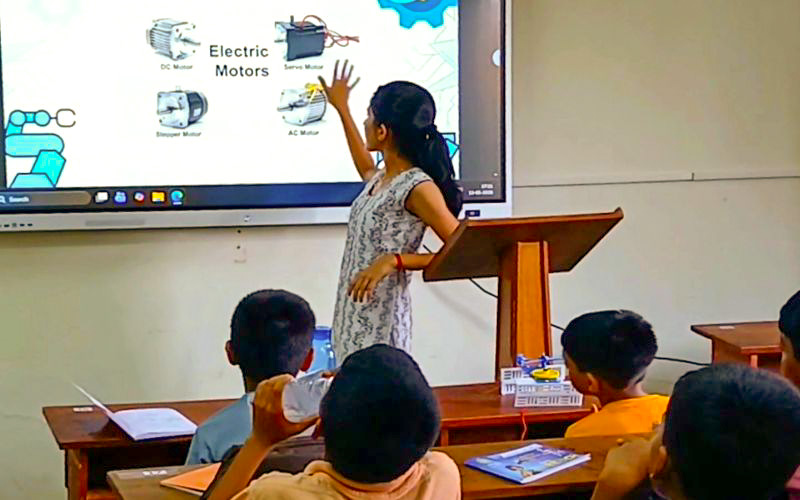
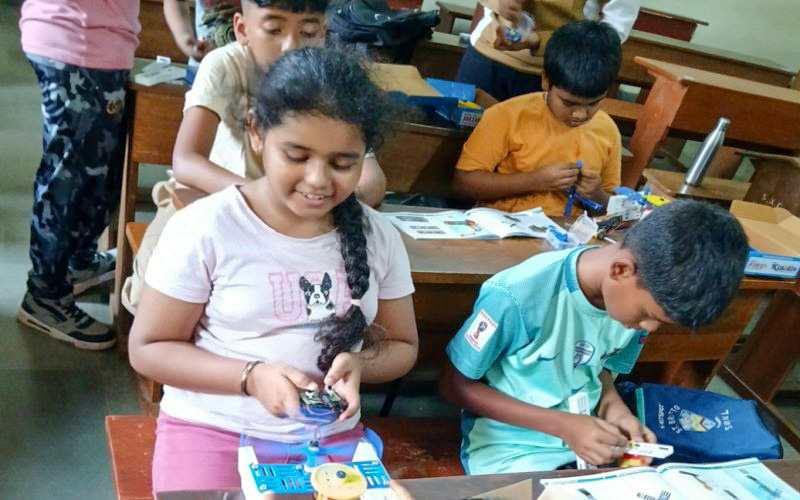
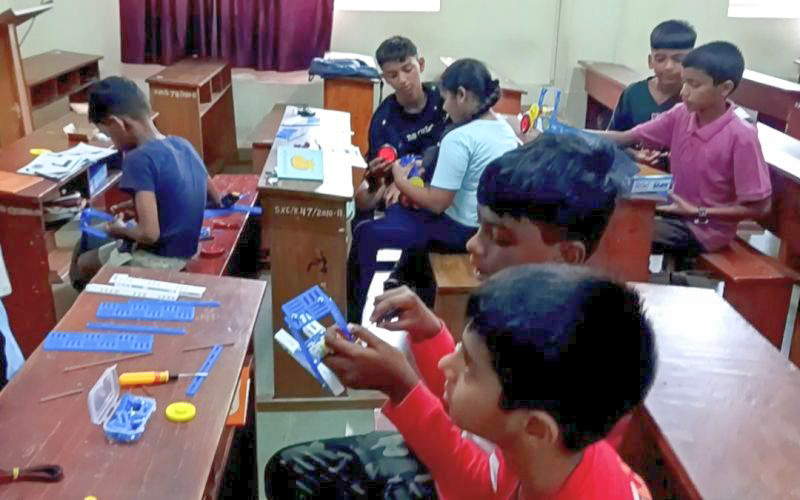
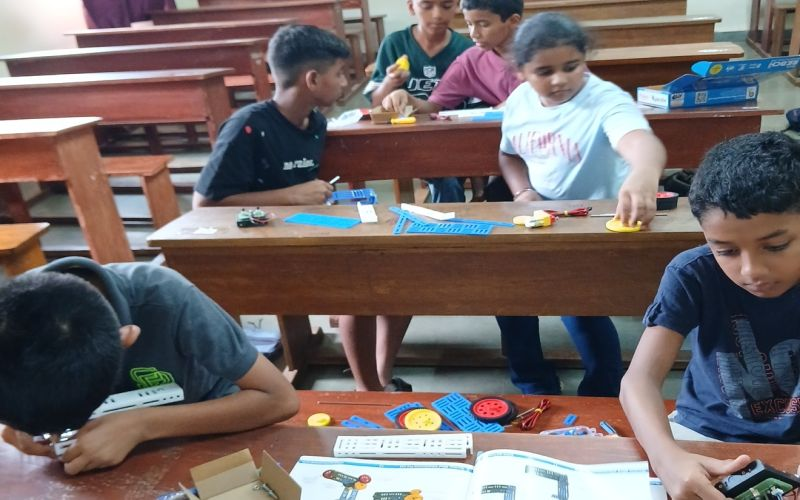
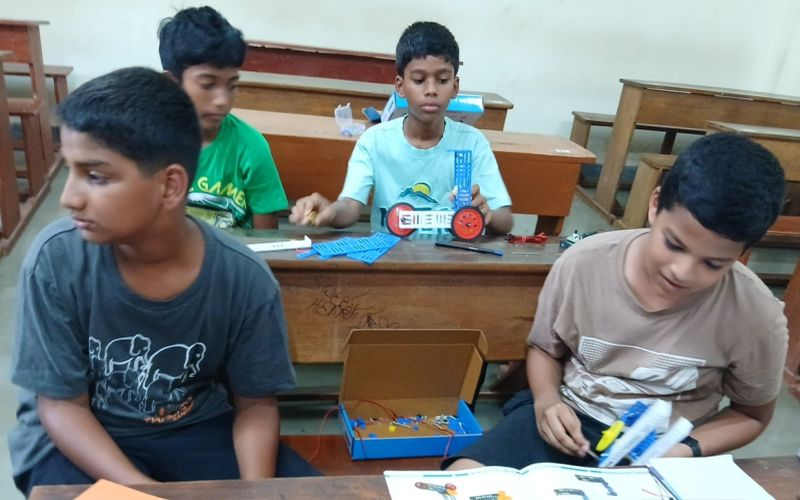
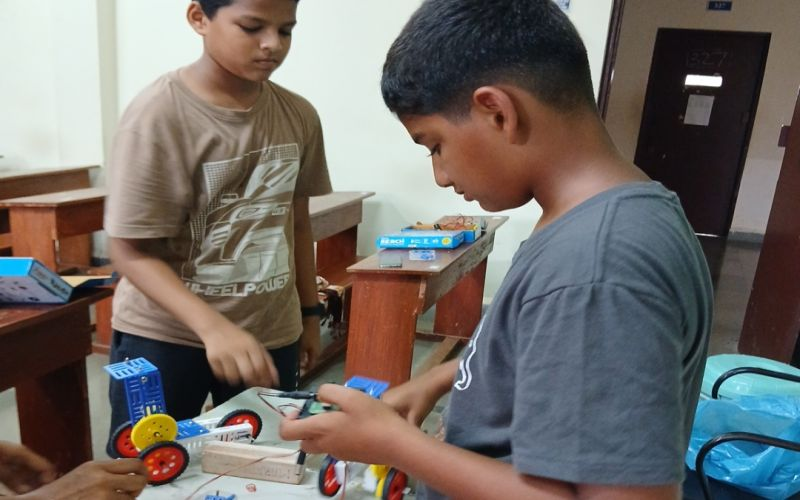
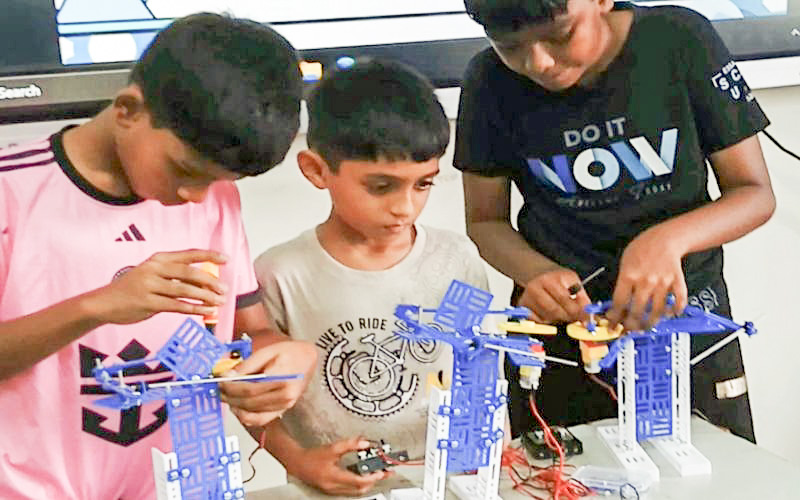
The training included a blend of theory sessions, model construction, practical demonstrations, discussions, presentations and assessments. Students actively built robotic models and gained an understanding of the scientific principles behind their operation. Through interactive learning and experimentation, the camp provided an engaging environment that encouraged curiosity, innovation and a deeper interest in technology.
Objectives of Robotics Summer Camp 2026 Mapusa
The camp was designed with the following objectives:
- To introduce students to the fundamentals of robotics.
- To develop creativity and problem-solving skills.
- To provide practical exposure through robotic model construction.
- To improve teamwork, communication, and analytical thinking.
- To explain basic mechanical and robotic principles.
- To create awareness about modern robotics applications in daily life.
- To encourage students to explore STEM-related fields and innovation.
Interactive Learning Through Practical Robotics Activities
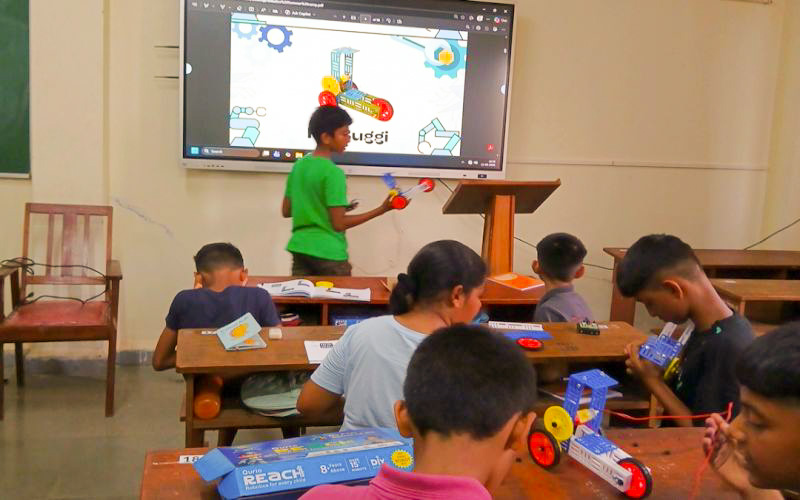
The Robotics Summer Camp followed a structured and interactive learning approach, combining theoretical knowledge with practical application. Each session introduced key scientific and engineering concepts, which students immediately reinforced through hands-on model-building activities using the Qurio Reach Robotics Kit.
The training methodology incorporated interactive lectures, live demonstrations, hands-on robotic model construction, team-based learning activities, concept discussions and revision sessions, practical troubleshooting exercises, quizzes, assessments and independent project development. This approach ensured that students not only understood the underlying concepts but also gained valuable experience in applying them through real-world problem-solving and experimentation.
Key Learning Highlights from the 10-Day Robotics Camp
This method helped students understand the relationship between theory and real-world applications of robotics.
Day 1: Introduction
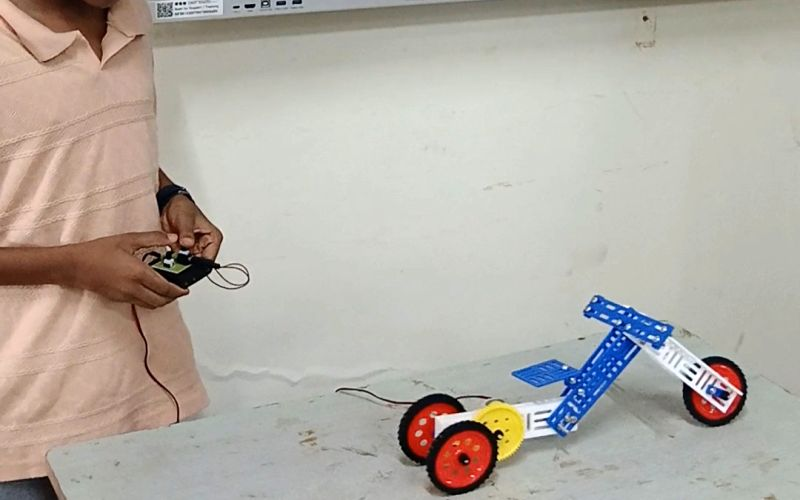
The camp began with an introduction to robotics, its history and the course objectives. Students learned about the robotics kit components and basic movement concepts before building their first model, “Robuggi.” The activity introduced assembly techniques, balancing and movement control. Homework was assigned on identifying robots and machines used in daily life.
Day 2: Gears and Motion
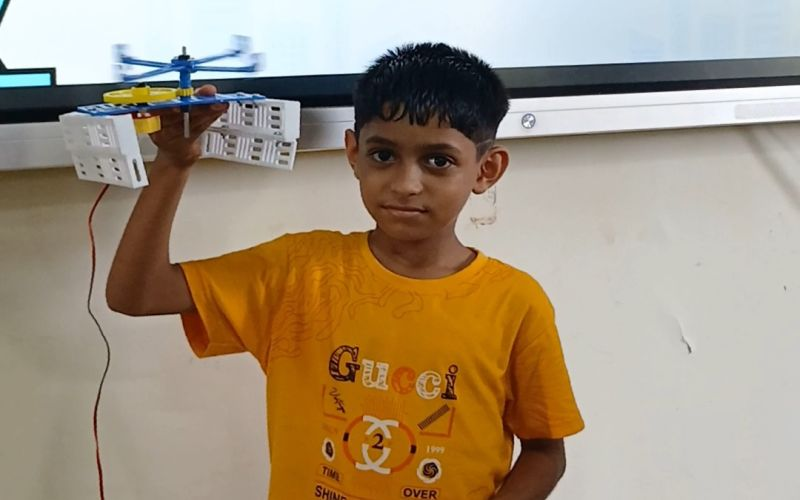
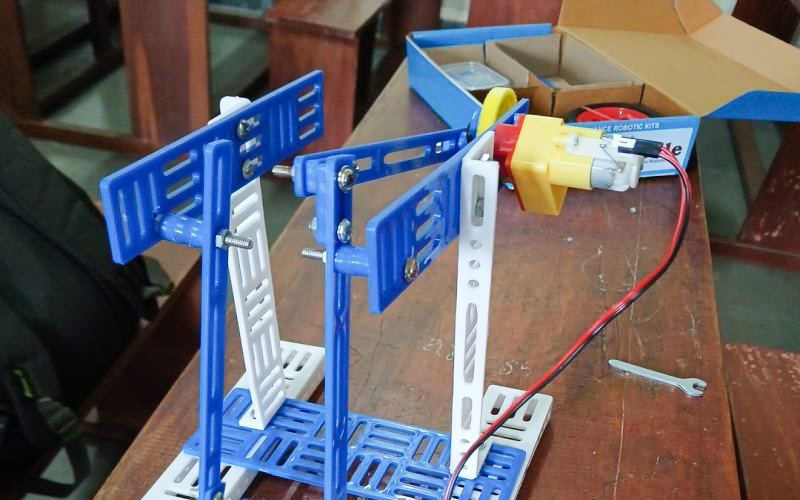
Students explored different types of gears, gear combinations and gear ratios, learning how they affect speed and torque. They constructed a “Windmill” model to understand motion transfer and rotational mechanisms. Homework on the “See Saw” mechanism was assigned.
Day 3: Motors and Torque
The session focused on motors, RPM, and torque, along with the role of robotics in various industries. Students built a “Merry Go Round” model to understand circular motion and motor-driven systems, strengthening their knowledge of robotic structures and functionality.
Day 4: Applications of Robotics
Students learned about the laws of robotics, ethical considerations, and real-world robotic applications. Through the “Bullock Cart” model, they explored torque, weight distribution, and stability. Interactive discussions encouraged active participation and observation.
Day 5: Balance and Leverage
The concepts of balance, fulcrum points and leverage were introduced through the construction of a “Swing Construction” model. Students learned how force distribution influences movement and explored practical engineering applications.
Day 6: Sensors and Coordination
Students were introduced to sensors and their importance in automation. By building the “Violin Player” model, they observed synchronized movement and mechanical coordination while gaining hands-on experience in robotic assembly.
Day 7: Movement, Speed and Revision Quiz
The session covered free-fall motion and the application of gear ratios in controlling movement. Students constructed a related robotic model and participated in an engaging quiz competition to revise key concepts such as gears, motors and torque.
Day 8: Concept Revision and Model Building
Students revised major concepts learned during the camp, including gears, motors, torque and robotic mechanisms. They built a “Massager” model to study vibration and rotational motion, while also completing pending projects and clearing doubts.
Day 9: Theory Assessment and Project Refinement
The ninth day featured an MCQ-based assessment to evaluate students’ understanding of key robotics concepts, including gears, motion, torque, sensors and robotic mechanisms. Students also completed unfinished models and refined their designs with guidance from the trainers. The session helped strengthen their confidence and prepare for the final-day hackathon.
Day 10: Robotics Hackathon and Project Showcase
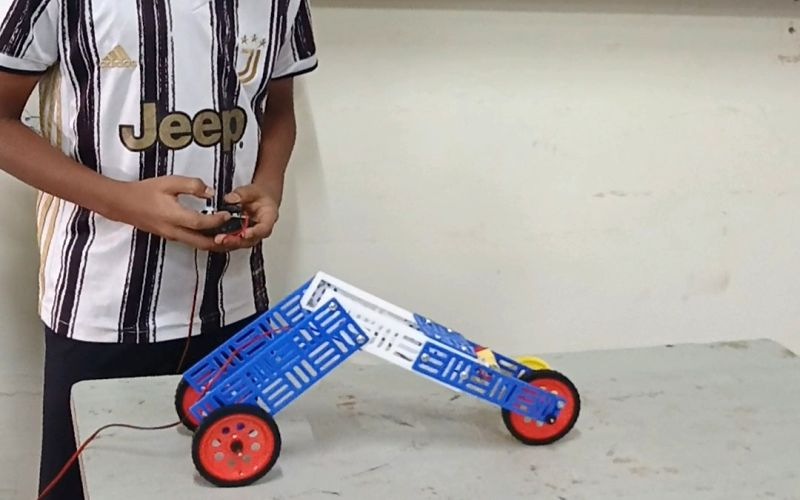
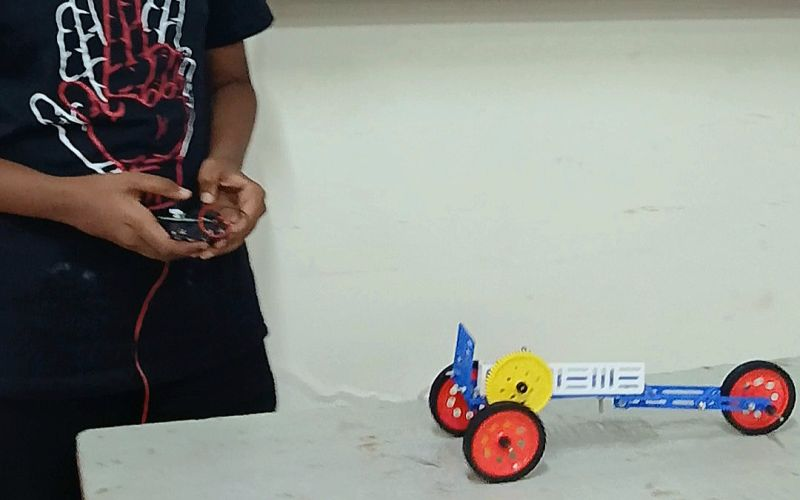
The final day was dedicated to a Robotics Hackathon, where students independently designed and built robotic projects using concepts learned throughout the camp. The activity encouraged creativity, innovation, critical thinking and problem-solving.
Students confidently presented their projects, explaining the working mechanisms and design concepts behind their models. The hackathon successfully showcased the skills and knowledge gained during the program, while highlighting the creativity, teamwork and enthusiasm of all participants.
Student Participation and Learning Outcomes
Throughout the Robotics Summer Camp 2026 at St. Xavier’s College in Mapusa, students demonstrated exceptional enthusiasm and curiosity. They actively engaged in practical construction activities, collaborative problem-solving and project presentations.
Key outcomes included:
- Improved logical thinking skills
- Enhanced creativity and innovation
- Better teamwork and communication
- Strong understanding of robotics fundamentals
- Increased confidence in STEM-related activities
Certificate Distribution Ceremony
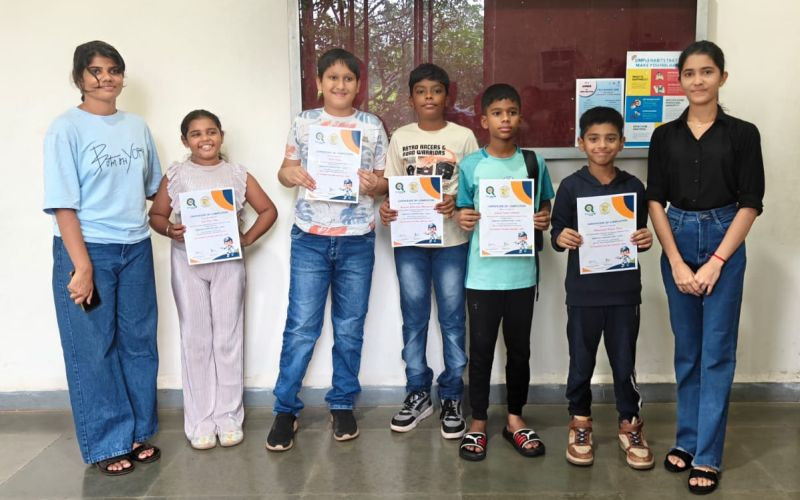
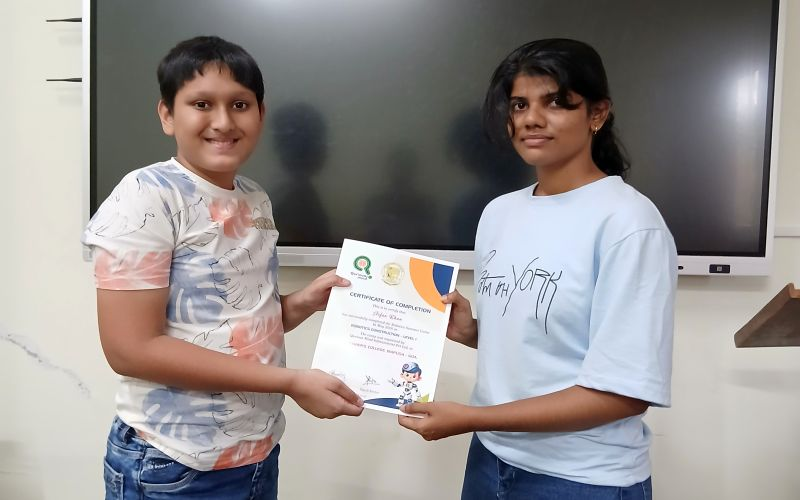
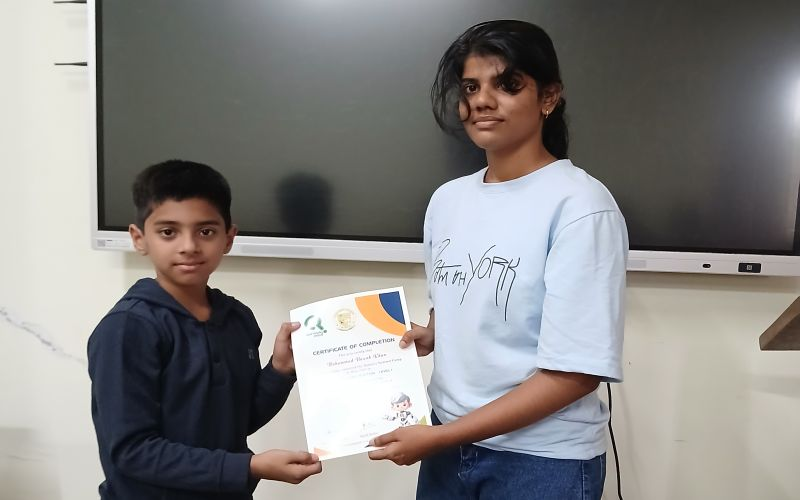
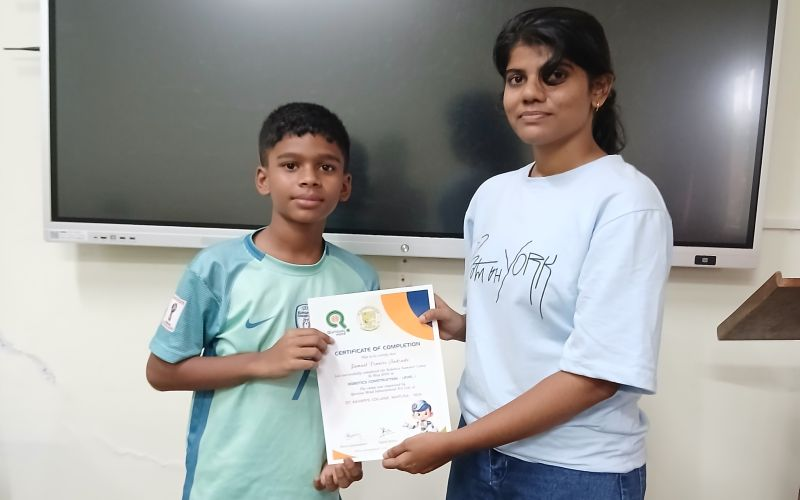
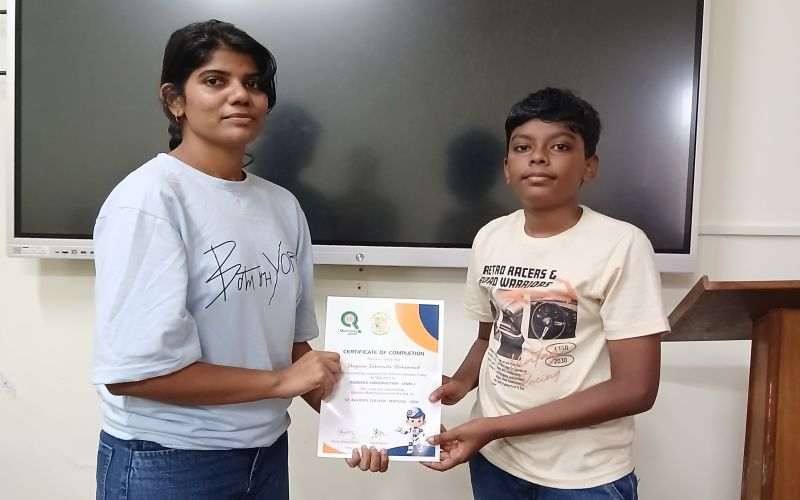
The program concluded with a certificate distribution ceremony at St. Xavier’s College, Mapusa. All participants were recognized for successfully completing the Robotics Construction Level 1 program and demonstrating dedication throughout the camp.
Acknowledgement
Qurious Mind Infotainment Private Limited extends sincere gratitude to St. Xavier’s College, Mapusa, Goa, for their valuable collaboration and support. The institution’s infrastructure, encouragement and hospitality played a significant role in the successful execution of the program.
Conclusion
The Robotics Summer Camp 2026 Mapusa successfully introduced students to the fascinating world of robotics through experiential learning and STEM education. By combining theory, practical construction, assessments and project-based activities, the camp created an engaging environment where students developed technical knowledge, creativity, teamwork and confidence.
The program achieved its goal of making robotics learning enjoyable, interactive and meaningful while inspiring students to pursue future opportunities in science, technology, engineering and innovation.